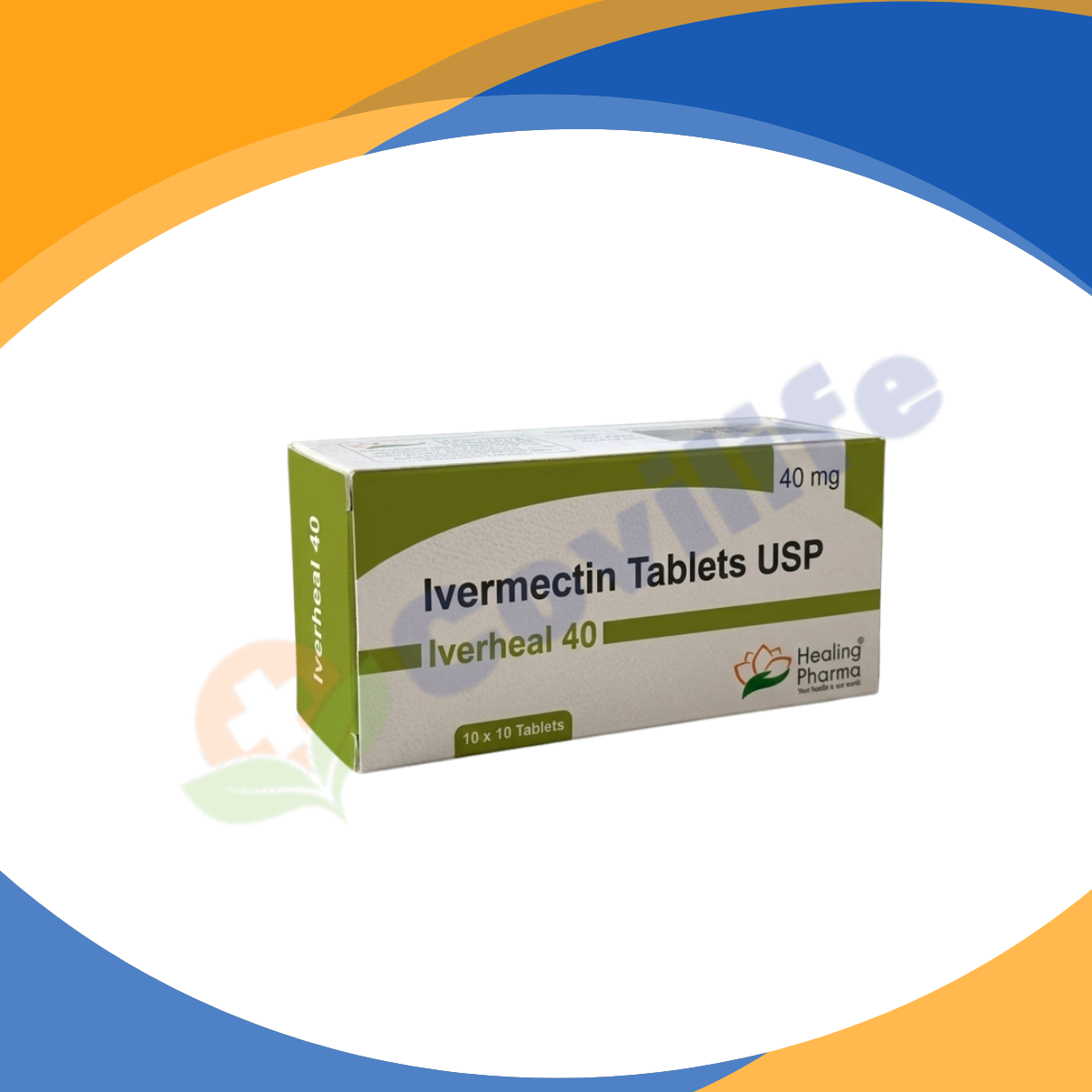
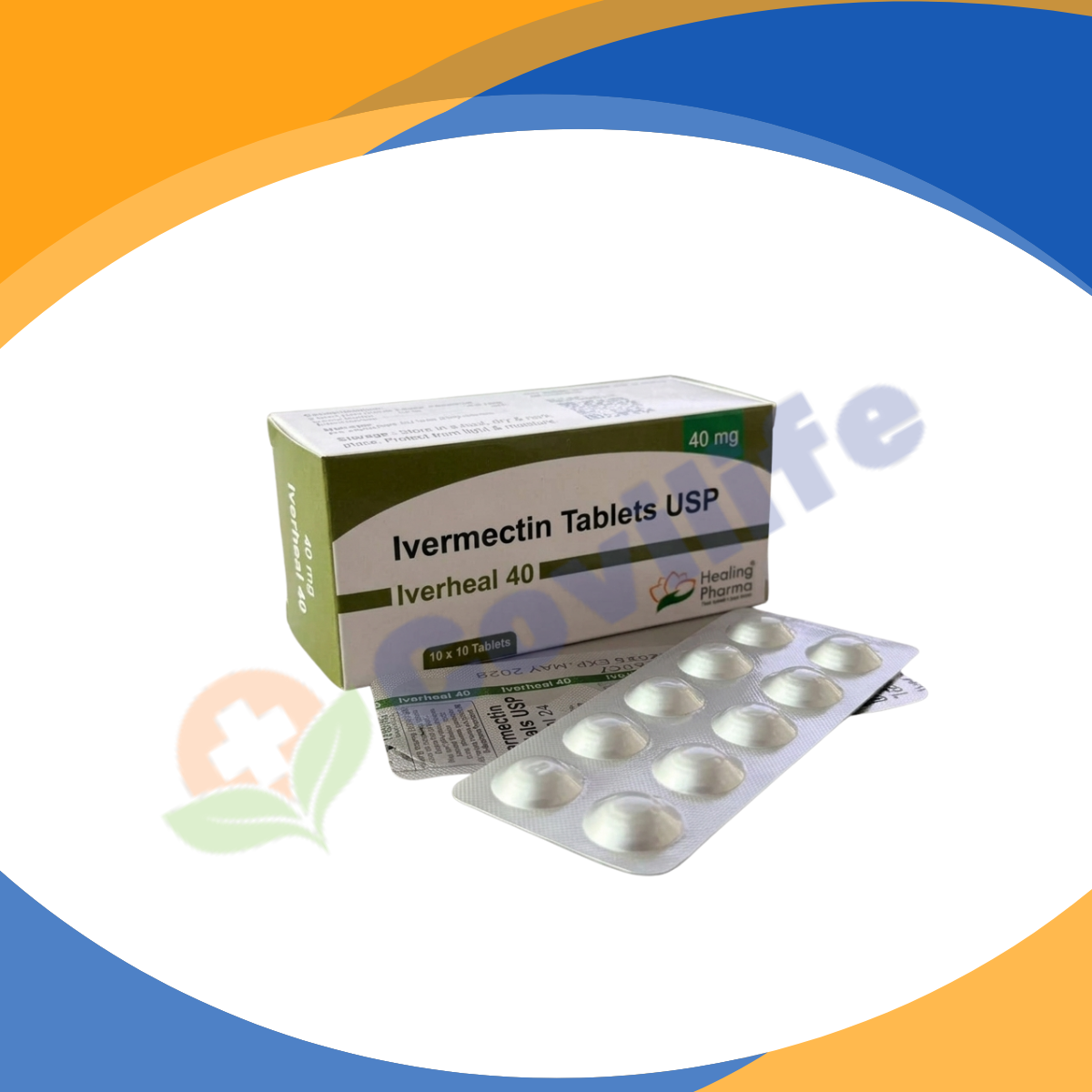
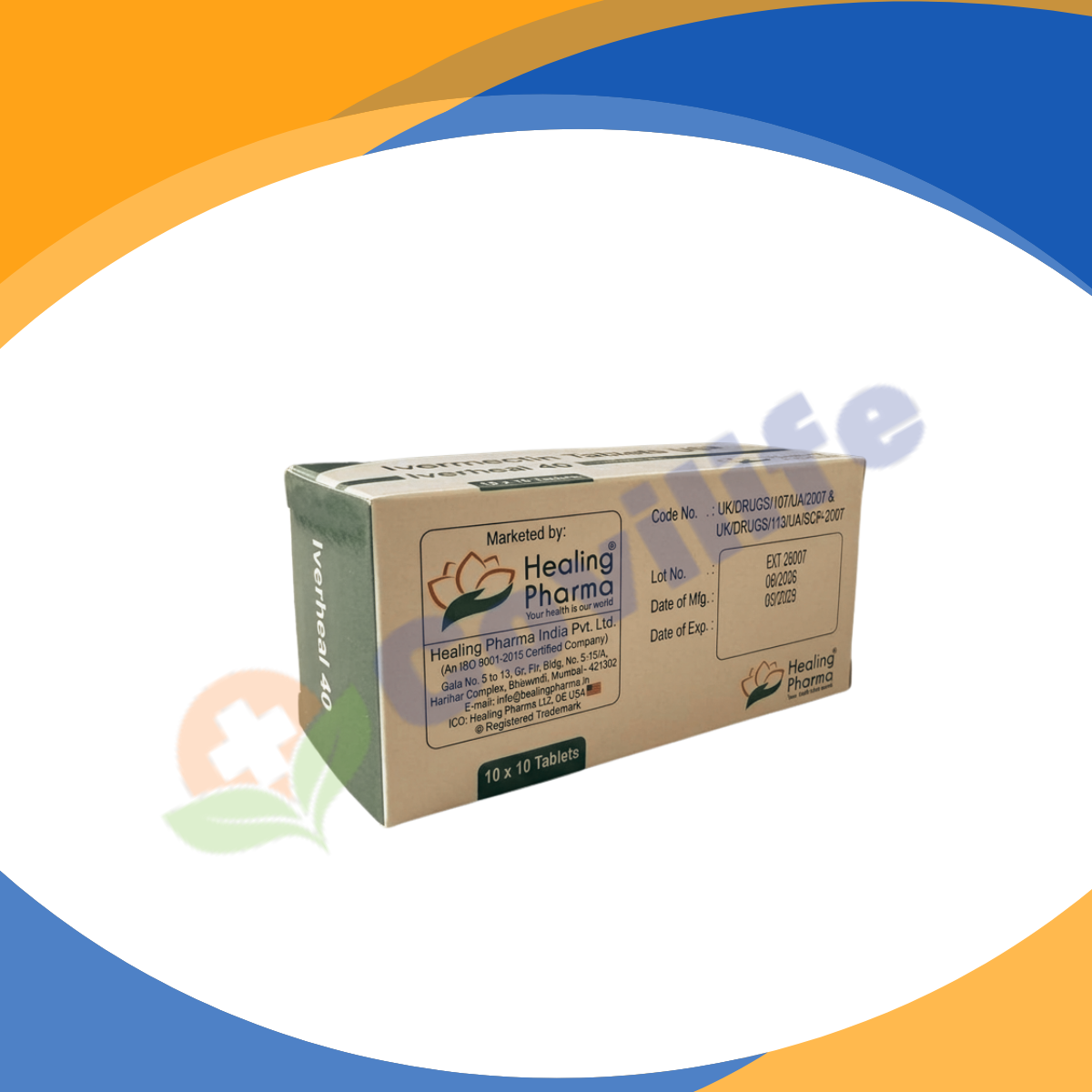
What Is Iverheal 40 mg?
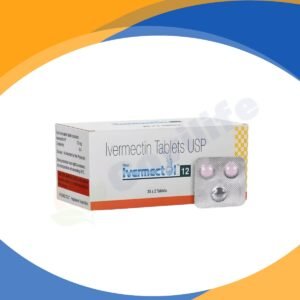
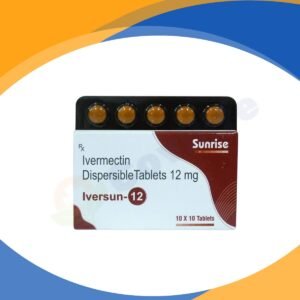
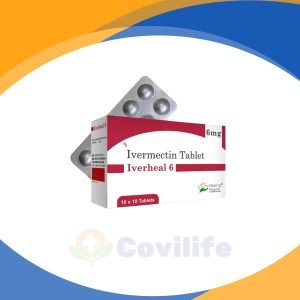
Iverheal 40 mg is an oral formulation containing ivermectin as its active pharmaceutical ingredient.
Ivermectin belongs to a class of medicines known as anthelmintics or antiparasitic agents. Rather than being an antibiotic that targets bacteria, ivermectin acts against certain parasites.
Oral ivermectin has established medical uses for specific parasitic infections. In the United States, ivermectin tablets are indicated for intestinal strongyloidiasis caused by Strongyloides stercoralis and onchocerciasis caused by Onchocerca volvulus.
Understanding the 40 mg Strength
One important distinction when discussing Iverheal 40 mg is the difference between tablet strength and prescribed dose.
“40 mg” describes how much ivermectin is contained in the tablet. It does not mean that 40 mg is the appropriate dose for every patient.
Official ivermectin prescribing information uses weight-based dosing for its approved indications. For example, the labeled regimen for intestinal strongyloidiasis is approximately 200 micrograms per kilogram, while the regimen for onchocerciasis is approximately 150 micrograms per kilogram.
For this reason, patients should not calculate their treatment simply by choosing a particular tablet strength.
How Does Ivermectin Work Against Parasites?
Ivermectin targets certain biological processes that are important to susceptible parasites.
It binds selectively to glutamate-gated chloride ion channels found in invertebrate nerve and muscle cells. This increases cell-membrane permeability to chloride ions and can cause paralysis and death of susceptible parasites.
This mechanism helps explain why ivermectin can be effective against certain parasitic organisms while still requiring careful dosing in humans.
Medical Uses of Oral Ivermectin
1. Intestinal Strongyloidiasis
Strongyloidiasis is an infection caused by the roundworm Strongyloides stercoralis. The parasite can live in the intestinal tract and may persist for long periods without appropriate treatment.
Ivermectin is indicated for the treatment of intestinal, nondisseminated strongyloidiasis. Official prescribing information recommends follow-up stool examinations to confirm eradication following treatment.
2. Onchocerciasis
Onchocerciasis is caused by the parasitic worm Onchocerca volvulus.
Ivermectin can reduce microfilariae associated with the infection. However, official prescribing information notes that ivermectin does not kill the adult O. volvulus parasites themselves.
3. Other Parasitic Conditions
Healthcare professionals may use ivermectin for other parasitic conditions depending on the patient’s diagnosis, clinical guidelines, and regulations in their country.
An important point is that not every parasite responds to ivermectin. Proper diagnosis is therefore important before treatment.
Iverheal 40 mg Dosage: Why Medical Guidance Matters
There is no universal “Iverheal 40 mg dosage” suitable for every person.
Ivermectin dosing may depend on:
- Body weight
- Type of parasite
- Severity and location of infection
- Previous treatment
- Other medicines being taken
- Liver function and general medical condition
- Whether repeat treatment is medically necessary
Official prescribing information demonstrates why this matters: approved ivermectin regimens are calculated in micrograms per kilogram rather than simply recommending the same number of milligrams to everyone.
Therefore, a person should not take an entire 40 mg tablet merely because it is labeled 40 mg unless that amount has specifically been prescribed or recommended by an appropriately qualified healthcare professional.
How Should Ivermectin Tablets Be Taken?
Follow the instructions supplied by your healthcare professional and the labeling applicable to the specific product.
For U.S.-labeled ivermectin tablets used for strongyloidiasis or onchocerciasis, prescribing information instructs patients to take the prescribed dose on an empty stomach with water.
Do not:
- Increase the amount without medical advice.
- Take additional doses because symptoms have not immediately disappeared.
- Combine multiple ivermectin products to reach a self-selected dose.
- Use ivermectin products manufactured for animals.
- Share prescription medication with another person.
What Are the Possible Side Effects of Ivermectin?
Not everyone experiences side effects, but ivermectin can cause adverse reactions.
Reported effects can include:
- Dizziness
- Nausea
- Diarrhea
- Abdominal discomfort
- Headache
- Weakness or tiredness
- Itching
- Skin reactions
Some reactions may also be related to the body’s inflammatory response to dying parasites rather than simply to the medicine itself.
Patients being treated for onchocerciasis, for example, may experience inflammatory reactions associated with the death of microfilariae.
Can Too Much Ivermectin Be Dangerous?
Yes.
Taking large amounts of ivermectin can be dangerous. The FDA reports that ivermectin overdose can cause symptoms including nausea, vomiting, diarrhea, low blood pressure, dizziness, problems with balance, seizures and, in severe cases, coma or death.
This is particularly important with a high-strength product such as Iverheal 40 mg. More medicine does not necessarily provide better parasite treatment.
If an overdose is suspected or serious neurological symptoms occur, seek urgent medical assistance.
Drug Interactions and Important Precautions
Before taking ivermectin, tell your healthcare professional about other prescription medicines, over-the-counter products, and supplements you use.
The FDA notes that ivermectin can interact with other medicines, including certain blood-thinning medications.
Extra caution may also be necessary for people with particular medical conditions or those taking several medicines.
Anyone who has previously experienced hypersensitivity to ivermectin or ingredients in a particular formulation should discuss this with their healthcare professional. Ivermectin tablets are contraindicated in patients who are hypersensitive to components of the product.
Iverheal 40 mg and Veterinary Ivermectin Are Not the Same
Human and veterinary ivermectin products should never be treated as interchangeable.
Veterinary formulations may have concentrations, ingredients and dosing instructions intended specifically for animals. The FDA warns that animal ivermectin products are different from formulations intended for humans and should only be used in animals according to their labeling or veterinary instructions.
Ivermectin and COVID-19
Ivermectin should not be presented as an approved COVID-19 treatment.
The FDA states that it has not authorized or approved ivermectin for preventing or treating COVID-19 in people or animals.
Consumers should rely on current medical guidance for COVID-19 prevention and treatment rather than self-medicating with ivermectin.
Frequently Asked Questions About Iverheal 40 mg
What does Iverheal 40 mg contain?
Iverheal 40 mg contains ivermectin, an antiparasitic medicine used against certain susceptible parasites.
Is Iverheal 40 mg an antibiotic?
No. Ivermectin is an antiparasitic medicine, not a conventional antibiotic used to treat bacterial infections.
Is 40 mg the normal ivermectin dose?
There is no universal ivermectin dose of 40 mg. Official dosing for approved oral indications is generally calculated according to body weight and the condition being treated.
Can I take one Iverheal 40 mg tablet at once?
You should only take the amount specifically recommended by a qualified healthcare professional. A tablet containing 40 mg should not automatically be considered a single standard dose.
What parasites can ivermectin treat?
Oral ivermectin has established indications for intestinal strongyloidiasis and onchocerciasis. Its usefulness for other parasitic conditions depends on the organism, clinical circumstances and applicable medical guidance.
How quickly does Iverheal 40 mg work?
Ivermectin begins acting after administration, but the time required for symptoms to improve or an infection to clear varies according to the parasite and the patient’s condition. Clinical follow-up or testing may sometimes be necessary to determine whether treatment was successful.
Should ivermectin treatment be repeated?
Do not automatically repeat a dose. The need and timing of additional treatment depend on the particular infection. For strongyloidiasis, U.S. prescribing information states that additional doses generally are not necessary after the labeled single-dose regimen, although follow-up testing is recommended.
Can I drink alcohol after taking Iverheal 40 mg?
Because individual circumstances and other medications can affect safety, discuss alcohol consumption with your doctor or pharmacist when you are prescribed ivermectin rather than assuming it is safe.
What happens if I accidentally take too much ivermectin?
An ivermectin overdose can potentially cause serious effects including severe dizziness, low blood pressure, balance problems, seizures or loss of consciousness. Seek urgent medical help if an overdose is suspected, especially if significant symptoms occur.
Can pregnant or breastfeeding women take ivermectin?
Pregnant or breastfeeding patients should discuss the potential risks and benefits with a healthcare professional before taking ivermectin.
Is veterinary ivermectin the same as Iverheal?
No. Veterinary ivermectin products are intended for animals and should not be substituted for medicines formulated for human use.
Can Iverheal 40 mg be used to prevent COVID-19?
Ivermectin is not FDA-authorized or approved to prevent or treat COVID-19.






Reviews
There are no reviews yet.